


These rookie RV mistakes can derail your road trip if you let them. Our experts share how to avoid them for a smooth vacation.

In This Article
-
Why RV travel has a learning curve
-
The most common RV mistakes new owners make
-
Save-able checklists for every phase of your trip
-
A summary table of the biggest mistakes and how to avoid them
-
FAQs
There's a lot to love about RV life: the freedom of life on the road, the moment you first lay eyes on a new favorite campground, and the peace of having your home with you wherever you chose to go. But if you're new to RVing, those first few trips might just feel like a stressful learning curve on wheels rather than a relaxing getaway. That's because RV travel—while rewarding—requires a bit of prep, planning, and practice. So, before you head out on your first RV adventure, it pays to know the rookie mistakes to avoid.
RV industry spokesperson Monika Geraci keeps it pretty straightforward for newbies: "Take your time, do your research, [and] ask questions." From overpacking your rig to relying on campground Wi-Fi instead of RV Wi-Fi, we've asked the questions for you and rounded up the most common RV mistakes first-time travelers make—plus, how to sidestep them.
TL;DR
The most common RV mistakes come down to picking the wrong rig, skipping prep, overpacking, and underestimating how long everything takes. Plan your route on RV-specific GPS, weigh your loaded rig, learn your systems before you leave, follow the 3-3-3 rule, and bring your own internet setup instead of relying on campground Wi-Fi. Aim for a trip you can recover from when something goes wrong.
Experts Who Contributed to This Guide
-
This article was written by Lauren Keary, experienced travel journalist.
-
Monika Geraci, industry spokesperson for Go RVing, contributed expertise to this article.
-
Maddi Bourgerie, travel expert at RVShare, contributed expertise to this article.
-
Jen Schoenfeld, full-time traveler and travel blogger, contributed expertise to this article.
-
Bruce Leadbetter, founder at 360 Adventures, contributed expertise to this article.
-
Amanda Capritto, TravlSync editor and full-time vanlifer, reviewed this article for accuracy.

Why RV Travel Has a Learning Curve
RV travel doesn't behave like normal travel. While a vacation may similarly be you driving to a new location to explore, RV travel means you’re driving your bedroom, your kitchen, your office, and your bathroom there too, and every one of those systems wants attention.
Low bridges, weight limits, narrow campground lanes, sewer hookups, propane refills, and the simple physics of a 30-foot vehicle on a tight switchback all mean that good trips are planned trips. Preparation saves you from troubleshooting a sewer hookup at 9 p.m. in the rain.
A few beginner RV mistakes include picking the wrong rig, skipping prep, overpacking, rushing the schedule, and underestimating how much there is to learn. Every full-timer has done at least four of them. The list below will give you a head start to learn from the mistakes of RVers past.
Mistake #1: Choosing the Wrong Rig
"First-time RVers should prioritize how they plan to use the RV. The key is to choose one that truly fits your lifestyle needs and travel goals," says RV industry spokesperson Monika Geraci.
Ask yourself: Are you towing or driving? Planning remote site stays or full-hookup campgrounds? Bringing the whole family or just a dog and a duffel bag? There's no one-size-fits-all rig. Geraci recommends using Go RVing's Right RV for You Quiz to narrow down the best fit.
She adds that some RVers mistakenly shop based on size alone, thinking bigger is always better. But large rigs often mean extra challenges, like tight turns, heavy fuel use, and limited campground access. There are ample options when it comes to camper vans—focus on layout and how well the space suits your daily needs instead of opting for the biggest rig you can find within budget.
Related: Types of Camper Vans to Know About Before Starting Your Vanlife Journey
Mistake #2: Buying Without an Inspection
We're all for reducing, reusing, and recycling, and that includes buying used rigs. But if that's the route you take, you must make it a priority to have a thorough, professional inspection of the rig before handing over your cash (and maybe getting a second opinion, depending on the condition and age of the build).
"I made the mistake of buying a used trailer without an inspection, which led to several expensive surprises on day one," says Bruce Leadbetter, founder of 360 Adventures. "If I could give one piece of advice to new RV owners, hire a certified RV tech for a pre-purchase inspection and always budget for tires, brakes, seals and the roof, plus labor."
Mistake #3: Overbuying on Features You Don't Need
Yes, the fancy extras like wine fridges and touchscreen panels are tempting, but Geraci reminds us: "Every RVer has different needs and different preferences, so it's impossible to state one RV feature that is unnecessary across the board."
Before buying, make a list of must-haves versus nice-to-haves. For example, outdoor TVs may seem fun, but if you're spending most of your days hiking and exploring then crashing as soon as you get back to camp, will that outdoor TV really be a prominent part of your day-to-day?
A washer/dryer might be helpful for full-timers but excessive for weekend warriors. We recommend you always go small first to see what features matter most in real-world use.
Mistake #4: Hitting the Road Without a Pre-Trip Safety Check
"Before you hit the road, a quick pre-trip safety check can make all the difference in helping your RV adventure go smoothly," says Geraci. Her must-do list includes walking the perimeter for obstacles, checking tire pressure, testing lights, confirming backup cameras and mirrors are working, and securing all gear inside and out.
Don't forget to check your hitch connections if you're towing and ensure that slide-outs, steps, and stabilizers are retracted. These simple steps can prevent costly damage and keep you and others safe on the road.
Related: How to Stay Safe in an RV: Advice for RV Living, Vanlife, and Boondocking
Mistake #5: Traveling Before Knowing Your Rig
Geraci strongly advises understanding your RV's core systems—electric, water, and propane—and practicing hook-ups before your trip. "Try connecting to power, water, and sewer at home or a local campground, so you're not troubleshooting on the go," she says.
Spend time reading your owner's manual, watching tutorials for your specific model, and practicing with systems like your awning, generator, and leveling jacks. Confidence in your set-up will save you hours of frustration later after a long day of driving.
Mistake #6: Exceeding the Vehicle Weight Rating
"It is always important to follow the guidelines in your owner's manual to ensure safety for you, your travel companions, and your RV," Geraci says. Overloading your RV can strain your brakes, tires, and suspension, not to mention void your warranty. Use a weigh station before your trip to confirm you're in the clear.
Don't forget to factor in water weight and gear when calculating your load. Tools like a CAT scale or mobile RV weighing service can help ensure your set-up is safe.
Mistake #7: Skipping Maintenance
Sterilizing your water tank might not be the sexiest task, but Geraci warns that it's essential. "Sterilizing your water tank is an essential maintenance task that can cause big headaches (figuratively and literally) if skipped." She recommends making a checklist to stay on top of upkeep.
You'll also want to make sure to seal your roof annually, clean your AC filters, and check your battery health. These simple preventive maintenance tasks reduce the risk of costly repairs en-route.

Mistake #8: Underestimating Setup and Takedown
"I also learned the hard way that setup and teardown takes time," says Leadbetter. "In the beginning, it took me nearly two days to pack up and another full day to settle into a new spot. Using a checklist and moving at a steady pace saved me hours, so now I plan lighter travel days to avoid arriving late."
Mistake #9: Not Knowing Basic Fixes and Preventive Measures
Even new RVs need routine tightening and small fixes, so it helps to know the basic repairs like sealing leaks or replacing fuses, Leadbetter says. He recommends always carrying a compact toolkit and sealant to save time and money on the road. Ants and mice also tend to try to move in, so knowing how to seal gaps, store food in bins, keep the campsite clean, and set preventive traps before is imperative.
Mistake #10: Not Planning an RV-Friendly Route
"One of the most common routing mistakes new RVers make is relying on regular car GPS apps," says Geraci. Apps like Google Maps can send you down roads with low bridges or tight turns that spell disaster for tall or long vehicles.
Invest in RV-specific navigation like RV LIFE, RoadTrippers, CoPilot GPS, or Garmin RV models. These tools account for your rig's size and can reroute you around hazards like tunnels with propane restrictions or roads with steep grades.
Mistake #11: Traveling Too Quickly (Especially Full-Timers)
"Taking it slow is one of the best pieces of advice for RVers. You're on vacation, enjoy the journey," says Geraci. Many new RVers make the common travel mishap of packing their schedule with back-to-back drives and little downtime.
A good rule of thumb is to travel no more than 200 to 300 miles per day and allow for rest days in between. Pacing yourself prevents burnout and gives you time to enjoy the places you visit instead of just checking them off a list.
Mistake #12: Planning Too Much in Too Little Time
Similarly, jamming too many activities into too few days can lead to burnout and the opposite of a good time. Full-time vanlifer Jen Schoenfeld says her biggest mistake has been over-planning when on the road.
"There are so many places you can stop at and side quests you can go on when living life on the road, and although hitting as many destinations as you can can be really tempting, at least for us, we're slowly learning not to bite off more than we can chew," she says.
She and her husband Elliot recommend other first-time vanlifers to:
-
Schedule no-drive days (or weeks) into their schedule
-
Avoid stuffing too much into their itinerary
-
Slowly find a travel pace that works for their lifestyle
Mistake #13: Not Practicing Parking Before Arriving at the Campground
Backing up a trailer or large motorhome requires skill and patience. Practicing in a large empty lot, watching online tutorials, and using cones to simulate obstacles can help you build confidence prior to travel.
Geraci suggests starting with pull-through spaces and gradually working up to back-in spaces. "Practice makes perfect!" she says. "If possible, lean on your camping host and/or campsite neighbors to assist you with backing up into your campsite."
Mistake #14: Not Studying Up on Campground Etiquette
"One campground rule that often surprises new RVers is 'drive like your kids live here,'" says Geraci. In other words, always drive slowly and respectfully.
Some additional etiquette tips include respecting quiet hours (which typically run from 10 p.m. to 8 a.m.), keeping pets leashed and cleaning up after them, and not walking through other people's campsites. Keep these unspoken rules in mind and it's much less likely you'll run into conflict onsite.
Mistake #15: Planning on Walk-Up Campsites
It may have worked a decade ago, but relying on walk-up campsites today is a recipe for frustration and a big travel mistake to avoid. "Camping is more popular than ever and with over 8.1 million RV-owning households and only 1.7 million RV campsites, securing that premium camping spot during peak season isn't always easy," says Geraci.
ReserveAmerica, Recreation.gov, and individual campground websites allow you to book in advance. Aim to plan at least 3 to 6 months out for peak summer months, holidays, and national park visits. If you want to get around this, choose an RV that lets you boondock.

Mistake #16: Arriving After Dark
Maddi Bourgerie, travel expert at RVShare, says one of her biggest mistakes early on in her RVing journey was arriving at campsites too late in the day.
"It makes parking, unpacking, and setting up camp 10 times harder than it needs to be," she laments. "I now follow what many RVers call the 3/3/3 rule: drive no more than 300 miles per day, arrive by 3 p.m., and stay at least three nights. It keeps the journey enjoyable instead of exhausting."
Mistake #17: Relying on Campground Wi-Fi
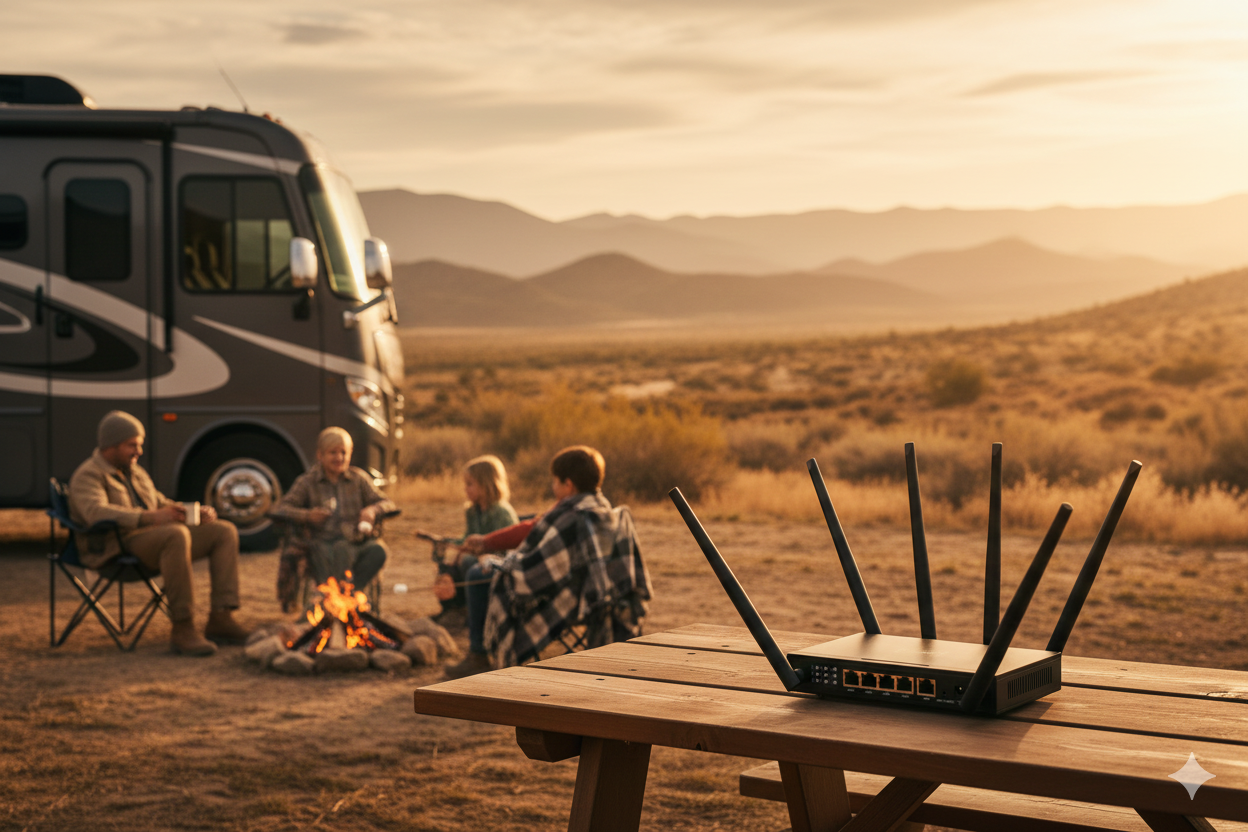
Campground Wi-Fi is notoriously spotty. If staying connected is important—especially for digital nomads—come prepared with your own RV internet setup. This might include a mobile hotspot, data plan, or a signal booster.
Using a router that has (or pairs with) external antennas can help boost your signal strength. And apps like OpenSignal or Speedtest can help you scout coverage ahead of time.
Mistake #18: Assuming You'll Have Cell Service Everywhere
Just because your carrier has nationwide coverage doesn't mean you'll have service in every valley, forest, or desert. Download maps and campground reservation confirmations for offline use, and let family or work know you might go dark for a bit.
Consider a backup like a Garmin inReach or Zoleo satellite communicator. These devices offer emergency SOS and basic messaging even when there's no cell signal.
Related: How to Work Remotely in an RV: Internet Setup, Job Ideas, and Productivity Tips
Mistake #19: Forgetting Essential Items
"Fixings for s'mores," says Geraci, when asked what item people forget most. And she's not joking—after all the logistics, it's easy to forget the fun.
On a more practical level, don't forget leveling blocks, a surge protector, water pressure regulator, first aid kit, extra hoses, fuses, and a toolkit. Create a packing checklist and do a final walkthrough before each trip—keep a close eye out for these small, easy-to-forget RV accessories.
Mistake #20: Not Having Backup Items
The Schoenfelds have learned the hard way the importance of having back-ups when it comes to important RV or van equipment.
"We [did] not hav[e] a backup for our main fuse, which caused us to lose power for a week, affecting our ability to work in the van, or use our oven," Schoenfeld says. "We had backup fuses for every other size except our main fuse block."
They recommend that others assess what van equipment they need most and have a backup at the ready to avoid a several-day, if not week-long, blip in their trip.
Mistake #21: Overpacking
On the flip side, it's possible to pack too much, too. Take it from Leadbetter:
"When I first started RVing, I made just about every rookie mistake in the book. My first biggest mistake was overpacking. I brought way too much on my first trips, which pushed my rig toward its safe weight limit," he says. "Now, I start with a short essentials list and weigh the loaded trailer at a CAT scale before rolling out."

RV Travel Planning Checklist
A short list to save or run through before every trip to help avoid the most common RV trip planning mistakes new travelers make.
Pre-Trip Checklist
-
Service appointment current (oil, tires, brakes, generator)
-
Roof seals, slide-outs, and exterior inspected
-
Fresh water tank sanitized and filled
-
Propane tanks full
-
Batteries charged and water levels checked (if flooded lead-acid)
-
Tire pressure checked at cold temperatures
-
Reservations confirmed for every night
-
Route mapped on RV-specific GPS
-
Weather forecast checked for full route
-
Emergency kit, tools, and spare fuses on board
-
Internet device charged and data plan active
Travel Day Checklist
-
All slide-outs in
-
Awning retracted and locked
-
All cabinets, fridge, and microwave latched
-
TV and antennas lowered
-
Steps retracted
-
Hitch double-checked (locked, pinned, and chains crossed)
-
Tire pressure verified
-
Propane off
-
Inside loose items secured
-
Pets and kids buckled and comfortable
Campsite Setup Checklist
-
Site dimensions and hookup type verified before pulling in
-
Wheel chocks placed
-
Rig leveled (side-to-side first, then front-to-back if towing)
-
Surge protector connected before plugging in shore power
-
Water pressure regulator and freshwater hose connected
-
Sewer hose connected with proper slope and support
-
Slide-outs deployed
-
Awning extended (only if weather is calm)
-
Internet device positioned for best signal
Summary: The Top RV Travel Mistakes at a Glance
|
Mistake |
Why It Happens |
How to Avoid It |
|
Choosing the wrong rig |
Shopping on size or aesthetics alone |
Match the rig to your travel style; take Go RVing's quiz |
|
Buying without an inspection |
Trusting the seller on used rigs |
Hire a certified RV tech for a pre-purchase inspection |
|
Overbuying on features |
Marketing pressure and FOMO |
Make a must-have vs. nice-to-have list; go small first |
|
Skipping pre-trip safety checks |
Eagerness to hit the road |
Run Geraci's perimeter and tire-pressure walkthrough |
|
Not knowing your rig |
Skipping the manual and dealer walkthrough |
Practice systems in your driveway first |
|
Exceeding weight ratings |
"It looks fine" thinking |
Use a CAT scale; know your GVWR |
|
Skipping maintenance |
Sterilization isn't sexy |
Make a checklist and stick to it |
|
Using a regular car GPS |
Habits from passenger vehicles |
Use RV-specific navigation (RV LIFE, Garmin RV) |
|
Traveling too quickly |
Trying to see everything |
Travel 200–300 miles per day and make rest days mandatory |
|
Walk-up camping |
Old habits |
Book 3–6 months out; choose a rig that can boondock |
|
Arriving after dark |
Underestimating drive times |
Follow the 3-3-3 rule |
|
Relying on campground Wi-Fi |
Not realizing how spotty it is |
Bring a dedicated RV cellular router or hotspot |
|
Forgetting essentials |
No checklist |
Build (and use) a pre-trip checklist |
|
Not having backup items |
Assuming things won't break |
Stock backups for fuses, hoses, and other core gear |
|
Overpacking |
Limited RV storage, "just in case" mindset |
Pack essentials only; weigh at a CAT scale |
Frequently Asked Questions
What is the 3-3-3 rule for RV travel?
The 3-3-3 rule is a travel guideline for RVers: Drive no more than 300 miles a day, arrive at your campsite by 3 p.m., and stay at least 3 nights. It helps reduce road exhaustion and makes your trip less rushed.
What to bring on the first RV trip?
Start with a sewer hose, leveling blocks, surge protector, fresh water hose, chocks, first aid kit, flashlight, basic tools, and fire extinguisher. Add comfort belongings next, like bedding, cookware, food, clothing layers, entertainment (books, games), and don't forget the marshmallows.
What can you leave in your RV between trips?
Non-perishable supplies like tools, camp chairs, cookware, and dry food can usually stay put. But remove perishables, electronics, and anything temperature-sensitive—especially if storing the RV without climate control. Be sure to open cabinets and vents a touch to reduce mildew risk.
What mistakes do new RVers make most often?
Choosing the wrong rig, overpacking, skipping inspections on used RVs, banking on regular car GPS, and underestimating setup time are a common five. Most are avoidable with a checklist and a couple of practice trips before you commit to a long route.
What should you not do when RVing?
Don't drive too far in one day, don't skip leveling, don't rely on campground Wi-Fi for important work, don't ignore your weight limits, and don't try to set up a new campsite in the dark on your first night.
How do beginners avoid RV mistakes?
Take a short trip close to home before any long ones, build pre-trip and setup checklists, learn your rig's systems in your driveway, and follow the 3-3-3 rule. There’s a lot to learn, but those are our biggest RV travel tips for beginners.
What are the biggest RV travel mistakes?
Picking the wrong rig and skipping prep are the costliest. Both lead to smaller problems that can ruin the whole experience. Get those two right and most other mistakes are a bit more manageable.
More Essential Reading for New RV Owners
-
What Is an RV Wi-Fi Router? A Connectivity Specialist Explains for Full-Time RVers
-
Unlimited Internet for RVs: Compare TravlFi, T-Mobile, Verizon, and More
-
10 Must-Have Gadgets for Your Next Roadtrip: Recommended by Frequent Travelers
-
How Far Will 200 GB of Mobile Data Go? (Usage Guide for RVers and Remote Workers)
Which TravlFi Device Is Right for You?
TravlFi keeps you connected on the road. Not sure which device is best for you? Compare below.

TravlFi can help you make the most of your road trip experience. Explore our Wi-Fi solutions for travelers to see how you can stay connected in remote areas.



Share: