

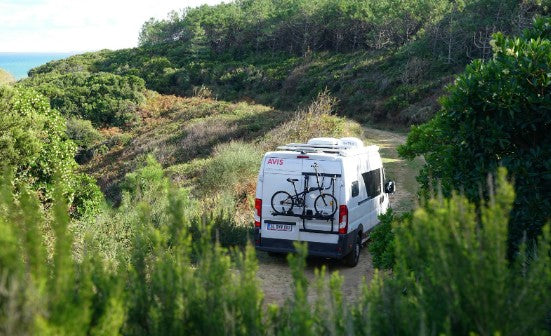
Cover photo by Kampbros on Unsplash.
RV travel on a budget is possible, but there is no single monthly number that works for every traveler. Fuel, campsite choices, insurance, food, maintenance, and internet all shift with your rig, route, travel pace, and work needs. A realistic budget gives those costs a place before you leave, so one expensive week does not derail the whole trip.
Whether you are planning a few weekends away or living full-time in an RV, this guide will help you build a flexible plan, identify the expenses that move fastest, and save without making your travels less enjoyable.
In This Article
- How to build a realistic RV travel budget
- The expenses that change most from month to month
- Ways to reduce campsite, fuel, food, and connectivity costs
- How to budget for reliable internet on the road
- Common questions about affordable RV travel
TL;DR
The best RV budget is not the smallest possible number. It is a plan that separates fixed costs from travel-variable costs, leaves room for repairs, and matches your internet and campsite choices to the way you actually travel. Slowing down, cooking more meals, using rewards programs, and choosing the right connectivity setup can all reduce costs without forcing you to give up the road.
Start With a Realistic RV Travel Budget
A useful RV travel budget has three buckets: recurring fixed costs, variable monthly costs, and irregular costs that need a reserve. That structure is more reliable than copying another traveler's total because their loan, insurance, route, pet expenses, and internet needs may look nothing like yours.
Fixed monthly costs
These are the costs that tend to arrive whether you move your RV or not:
- RV or tow-vehicle payment, if applicable
- Insurance, registration, and roadside assistance
- Phone and internet plans
- Health, business, or pet insurance
- Storage, mail service, software, and subscriptions
Variable monthly costs
These change with your location and routine:
- Fuel and tolls
- Campgrounds, dump stations, laundry, and propane
- Groceries, coffee, restaurants, and activities
- Data usage, especially if you work, stream, or upload files
Irregular costs
Set aside a maintenance fund even in months when nothing seems wrong. Tires, batteries, service appointments, a surprise hotel night, vet care, and replacement gear are normal parts of RV ownership. A small recurring transfer to a repair fund is easier to absorb than treating every repair as an emergency.
The Costs That Change Fastest on the Road
Fuel and travel pace
Moving every few days can turn fuel into the dominant line item. Staying longer in each destination usually means fewer driving days, fewer impulse meals, and more time to compare local grocery and campsite options. When possible, price a route by both miles and nights, not just the next destination.
Campsites and hookups
Free or low-cost camping can reduce nightly fees, but it is not automatically the least expensive choice. A boondocking stop may require more planning for water, power, waste, and connectivity. Paid stays with included electricity, water, and reliable cell coverage can be a better overall value when they reduce other costs or help you work reliably.
Food and daily routines
Simple meals, a short grocery plan, and a stocked RV kitchen keep small purchases from becoming a major expense. Keep a few low-effort meals on hand for travel days, when the drive and setup make restaurant food feel especially tempting.
How to Save Money While RVing
Travel more slowly
Longer stays often reduce fuel use and can unlock weekly or monthly campsite pricing. A slower pace also gives you more time to learn the local area, use the groceries you bought, and avoid spending for convenience.
Use memberships and rewards strategically
Campground clubs, grocery rewards, fuel programs, and membership discounts can help, but compare the annual fee with your likely usage before joining. A discount is only a saving when it fits the places you already plan to stay or shop.
Protect the RV you already have
Regular maintenance is usually less expensive than a roadside failure. Follow the service schedule for your rig and keep a small checklist for tires, seals, batteries, fluids, and safety equipment before longer trips.
Choose free activities on purpose
Hiking, scenic drives, local walks, public beaches, and ranger programs can provide the best parts of travel without a large activity budget. Decide on a few paid experiences you genuinely value and let the rest of the itinerary stay simple.
Budget for Internet Like a Travel Essential
Internet is a real travel expense for many RVers, especially remote workers, students, creators, and families with several connected devices. The lowest-priced plan is not always the lowest-cost choice if it leaves you buying extra data, changing campsites for a video call, or relying on a weak public network.
Start by estimating the activities that use the most data. Video calls, cloud backups, software updates, and high-definition streaming can add up quickly; this 200 GB data usage guide can help you translate habits into a more realistic plan. Then compare a dedicated mobile hotspot with a phone hotspot based on the number of devices, coverage needs, and how often your work depends on the connection.
For travelers who need reliable connectivity, build a modest backup plan into the budget. That might mean a phone hotspot on a different carrier, a campground with confirmed coverage, or an alternate work location when you know a demanding call is coming up. Read our guide to getting internet in an RV for the tradeoffs among cellular, satellite, and campground Wi-Fi.
Sample Budget Check-In Before You Leave
- Confirm fixed monthly costs and autopay dates.
- Estimate fuel from the route and the number of planned driving days.
- Price campsites, then add a buffer for a few unplanned paid nights.
- Plan groceries and a realistic restaurant or coffee amount.
- Set aside money for maintenance and unexpected repairs.
- Review the data, hotspot, and backup internet you need for work or entertainment.
FAQs About RV Travel on a Budget
How much should I budget for full-time RVing?
Your budget depends on the rig, debt, insurance, travel pace, campsites, family size, and internet needs. Build from your own fixed costs first, then add a realistic range for fuel, food, camping, and maintenance rather than aiming for someone else's total.
Is RVing cheaper than hotels?
It can be, especially on longer trips, but not automatically. RV ownership, fuel, campsite fees, maintenance, and food all matter. Compare the total trip cost, not only the nightly campsite rate.
What is the best way to reduce RV travel costs?
Slow the travel pace, cook more meals, use existing memberships only when they fit your route, and maintain the RV before small problems become expensive. Planning connectivity in advance can also prevent last-minute costs and disrupted workdays.
Should I use campground Wi-Fi to save money?
Campground Wi-Fi can be a useful bonus, but test it before relying on it for work or streaming. It is shared, its quality varies by site, and public networks deserve extra care. See our guide to using public Wi-Fi more safely.
More Essential Reading for RVers
- The Complete Guide to Full-Time RV Living
- How to Work Remotely in an RV
- RV Wi-Fi Setup: How to Get Reliable Internet on the Road
Which TravlFi Device Is Right for You?
TravlFi helps travelers stay connected with flexible data plans and RV internet options. Compare TravlFi devices and plans to find a setup that fits the way you travel.

Share: