


Choosing a rig is no small decision. If you can’t pick between a camper van or an RV, answering these questions will give you clarity.
TL;DR: Quick Verdict for Full-Time Travelers
-
Choose a van if: you prioritize mobility, stealth, lower fuel costs, and minimalism.
-
Choose an RV if: you want more space, reliable amenities, easier full-time comfort, and don’t mind higher operating costs.
-
Key trade-off: vans excel at freedom and efficiency; RVs excel at livability and convenience.
Dreaming of life on the road but stuck deciding between an RV vs. van life? You’re not alone. Each type of rig offers unique advantages, so the right choice depends on your travel style, comfort needs, and adventure goals. Whether you envision exploring urban streets or boondocking under starlit skies, your rig will shape the journey.
Ahead, we compare camper vans and RVs—spanning class A and C motorhomes—to help you make the best choice. From storage space to gas mileage, this article covers the essentials, with expert insights on making life on the road more enjoyable. (Be sure to check out our guide to common travel mistakes to avoid headaches on your first trip, too.)
Editor's note: For simplicity, this article compares camper vans with class A and class C RVs. Stay tuned for future articles covering towables, truck campers, and more.
Experts Who Contributed
Amanda Capritto, the author of this piece, is a full-time traveler who has been living in a converted cargo van, and has prior experience camping in various rigs.
RV vs. Van: Quick Look
|
Category |
Van |
RV |
|
Interior space & layout |
Compact; limited layout flexibility |
Spacious; multiple floor plans and zones |
|
Daily comfort (cooking, bathroom, sleeping) |
Minimalist; small kitchen and improvised bathroom setups |
Higher comfort; full kitchen, real bathroom, larger beds |
|
Power & water independence |
Efficient systems but smaller tanks |
Larger tanks and batteries; supports heavier use |
|
Maneuverability |
Easy to drive; handles like a large SUV |
Bulkier; more effort on highways and tight turns |
|
Parking & city access |
Can park in most standard spaces |
Often restricted; needs larger parking areas |
|
Fuel economy |
Better mileage due to smaller size |
Lower mileage, especially in Class A/B/C rigs |
|
Maintenance burden |
One vehicle to maintain; simpler systems |
Vehicle + house systems; more repairs over time |
|
Initial price |
Lower overall cost unless using a high-end build |
Wide range; often more expensive upfront |
|
Long-term cost of ownership |
Lower operating costs if stealth camping or boondocking |
Higher recurring costs—fuel, repairs, campsite fees |
|
Resale value |
Depends on build quality; varies widely |
More predictable resale for recognizable RV brands |
|
Internet/work compatibility |
Works for light setups; limited desk space |
Easier to support full workstations and larger power systems |
9 Questions to Ask Yourself Before You Buy
Answer the questions in this simple quiz to help kickstart your RV buying journey.
Do I Plan to Camp in Campgrounds or Boondock?
Campgrounds offer welcomed convenience, but boondocking is where the adventure lies. RVs excel in campgrounds with hookups for water, power, and waste disposal. However, their larger size and low clearance may limit access to remote boondocking sites.
Camper vans, with their smaller size and nimble maneuverability, are better suited for off-grid adventures—you can park in tighter spots and navigate rougher terrain. Consider where you plan to spend most of your nights. If you crave remote solitude, a camper van’s flexibility might be a better fit. For campground regulars, the amenities of an RV often make life easier.
How Much Storage Space Do I Really Need?
If you’re a minimalist, a camper van’s compact storage might suffice. But for travelers bringing along bulky outdoor gear, extra clothing, or more convenience items, RVs offer a significant advantage. This also makes them a much better fit for most families.
Their larger interiors provide dedicated storage areas, making organization easier. Take stock of what you’ll need on the road. If you’re traveling light, a van might work fine. Otherwise, the extra cubic feet in an RV may be worth losing out on remote boondocking and off-grid adventures.
What Comforts of Home Do I Want?
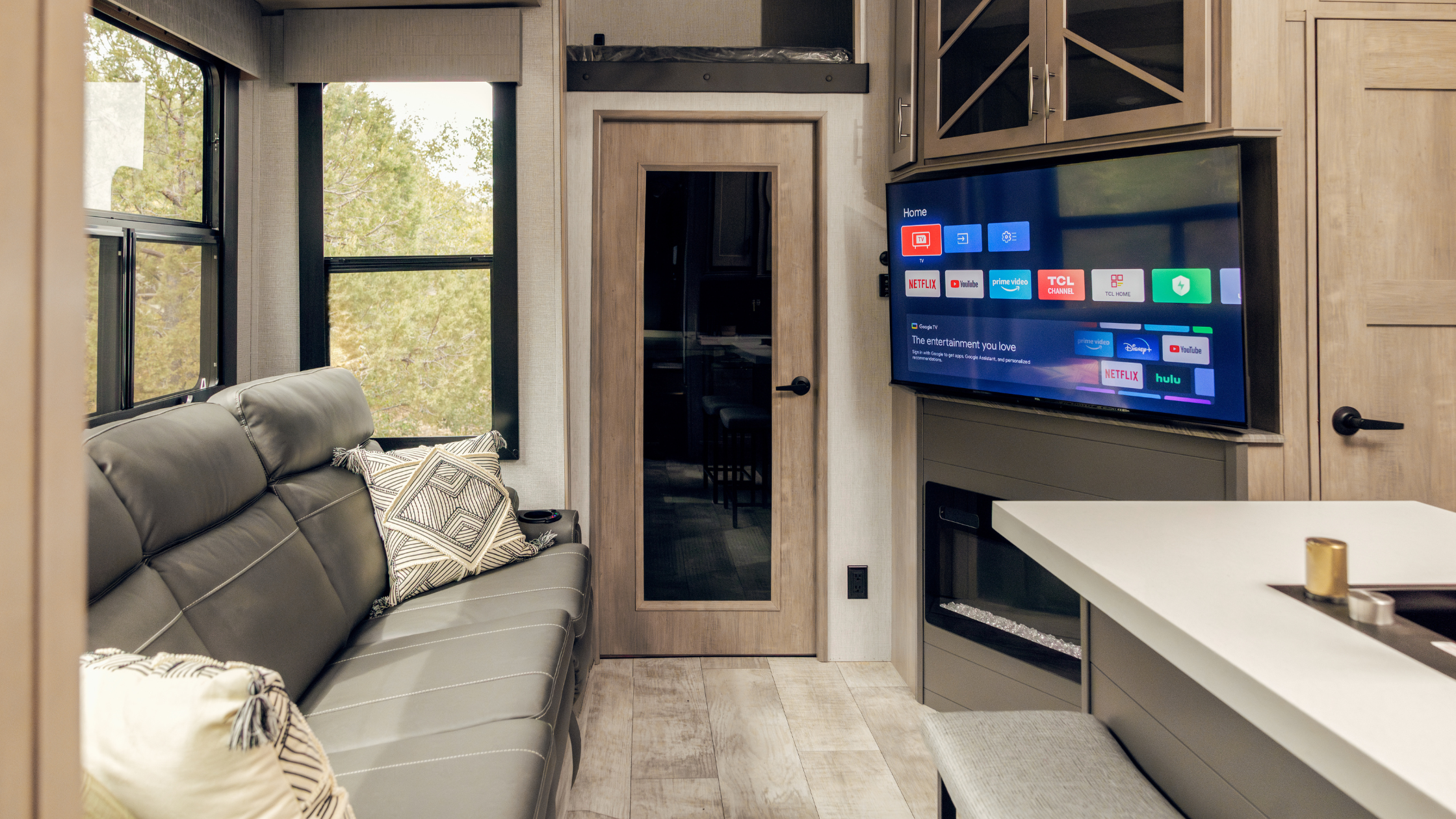
Comforts like full bathrooms, spacious kitchens, and separate sleeping areas are more common in RVs. Camper vans, while cozier, often require more creative use of multifunctional spaces.
For example, a bed might double as your dining area. If you prioritize home-like amenities and don’t mind the limited maneuverability, an RV is the way to go. For those who can adapt to compact living, a van’s streamlined setup may be worth it.
What Kind of Roads Do I Plan on Driving?
RVs shine on highways and major roads, but their size can be a challenge on narrow, winding routes or in places with low overhead structures. Camper vans, being smaller and more maneuverable, excel in areas where roads are less forgiving.
Consider the routes you’re likely to take. Planning to tackle mountain passes or urban alleyways? A camper van’s agility might save the day.
Do I Plan on Spending Time in Cities?
Urban camping comes with parking challenges, and RVs are usually too large for standard spaces. Camper vans are better suited for city adventures, as they can fit in most parking spots and navigate crowded streets with ease.
For city-based travel, camper vans are the clear choice. RVs are best for those focusing on destinations with plenty of open space.
Will I Need to Stealth Camp?
Stealth camping—parking discreetly overnight—is easier in a camper van. Their smaller size and subtle design let them blend in, while RVs are harder to hide.
If your travel plans include stealth camping, a van will make it easier to avoid the dreaded knock from an unkind neighbor or law enforcement. (Only park where it’s legal, please!)
How Much Water Do I Need to Store?
If you don’t plan on staying in campgrounds with full hookups, water storage is a primary concern.
RVs typically have larger freshwater tanks, making them ideal for extended trips without frequent refilling. Camper vans often come with smaller tanks, which are sufficient for short stays but require more planning and frequent trips to fill up.
Can I Get By With Just Batteries, or Do I Need a Generator?
RVs often include generators for powering larger appliances, while camper vans rely on batteries and solar panels. If you plan to run multiple devices or need reliable power for extended periods, an RV is more self-sufficient. Camper vans are better for minimalists who can optimize battery and solar use.
How Much Does Gas Mileage Matter to Me?
Gas mileage is a major factor. Camper vans usually win here, offering better fuel efficiency due to their smaller size and more aerodynamic frame. RVs, while more spacious, consume significantly more fuel. Budget-conscious travelers or those planning long distances may find camper vans more economical. RVs are ideal if space and amenities take priority over gas mileage.
Pros and Cons of RVs
Pros:
-
Spacious interiors
-
Full-size bathrooms and kitchens
-
Larger water, gas, and waste storage
-
More comfortable for long-term stays
-
More home-like amenities
Cons:
-
Higher fuel consumption
-
Limited access to tight spaces
-
Harder to maneuver
-
Often more expensive to purchase and maintain
Pros and Cons of Camper Vans
Pros:
-
Better fuel efficiency
-
Easier to drive and park
-
Ideal for stealth camping
-
Provide access to remote areas
-
Typically more affordable upfront
Cons:
-
Limited living space
-
Smaller water and waste storage
-
Fewer built-in amenities
-
Requires creative organization
-
Sometimes there is no bathroom
FAQs
Is it cheaper to live in an RV or a van full-time?
A van is usually cheaper for full-time living because it has lower fuel costs, fewer systems to maintain, and no need for paid campsites if you rely on stealth parking or boondocking. RVs generally cost more to operate—insurance, maintenance, fuel, and campground fees add up quickly. The exception is if you buy a very inexpensive used RV and stay mostly in low-cost long-term parks, or manage to find boondocking spots that your RV can safely access.
Which lasts longer: a van build or an RV?
A factory-built RV typically lasts longer as a complete system because it’s designed for continuous use and has service support. A van build’s lifespan depends heavily on build quality and materials. DIY or budget conversions may wear out faster, especially cabinetry and electrical components, depending on quality. The van’s engine and chassis will usually outlast an RV’s house systems, but the interior may need refurbishment sooner.
What’s the best choice for remote work?
An RV is generally better for remote work because it offers more space for a dedicated workstation, larger batteries, and more stable climate control. A van can work if you keep your power needs low or build out a robust electrical system, but two people working inside a van often feels cramped. If you rely on Starlink, RV roof space makes mounting and power management easier.
Which is better for winter climates?
An RV is usually better for winter climates because many models offer better insulation, larger propane or diesel heating systems, and space for four-season upgrades like tank heaters. Vans can be winter-capable with extensive insulation and heating, but condensation and limited interior space make them harder to live in during long cold stretches. Learn more about how to live in a van during the winter.
Can you legally park and live in a van or RV in cities?
It depends on local laws. Many cities ban overnight parking or sleeping in vehicles, and RV street parking is often restricted due to size and zoning rules. Vans have more “stealth” flexibility but still fall under the same ordinances. Long-term city living in either type of rig usually requires rotating locations or using private lots, campgrounds, or paid monthly parking.
Related: Seeking Freedom, Young Adults Fuel RV Lifestyle Boom—But the New American Dream Isn’t All Perks
How much solar do you need for full-time life?
Most full-time travelers need 400–800 watts of solar paired with 200–400 amp-hours of lithium batteries to run laptops, lights, fans, refrigeration, and occasional inverter use. Heavy power users—induction cooking, Starlink, or running two workstations—may need 1,000 watts or more. The exact number depends on your appliances, climate, and how often you drive to recharge.
TravlFi Takeaways
Still debating between an RV and a camper van? Keep these key points in mind:
-
RVs offer unmatched space and amenities but generally come with higher costs and less flexibility.
-
Camper vans are nimble and fuel-efficient, ideal for urban and off-grid adventures.
-
Consider your travel style and needs to make the right choice.
-
Plan ahead for power, water, and storage based on your rig.
More Essential Reading for Travelers:
-
RV vs. Camper Trailer: Compare Maintenance, Costs, Pros, Cons, and More
-
How Far Will 200 GB of Mobile Data Go? (Usage Guide for RVers and Remote Workers)
Which TravlFi Device Is Right for You?
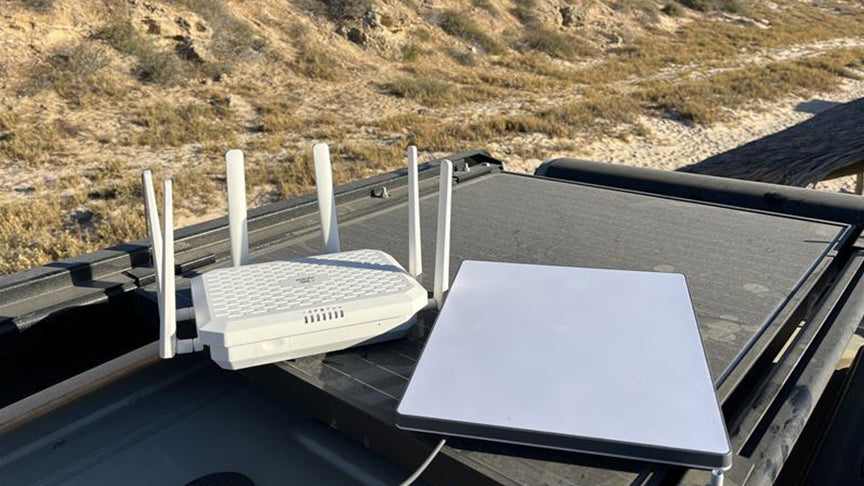
TravlFi keeps you connected on the road. Not sure which device is best for you? Compare below.






Share: